Best Flags for Coastal Environments
Choosing Durable, Salt-Resistant Flags for Oceanfront Homes
Flying a flag in a coastal environment comes with unique challenges.
Salt spray, high humidity, constant wind, and intense UV exposure all accelerate wear on outdoor flags. Standard flags that perform well inland can fade, fray, or deteriorate quickly near the ocean.
Coastal homeowners need flags designed to withstand these harsher conditions without frequent replacement.
This guide explains what makes a flag suitable for coastal environments and how to choose options that last longer in salt air and strong coastal winds.
Why Coastal Conditions Are Harder on Flags
Oceanfront properties expose flags to environmental factors that do not affect inland displays as severely.
-
Salt spray and corrosion
Salt particles in the air settle on fabric and hardware, accelerating corrosion and weakening fibers over time. Even homes a few blocks from the beach experience measurable salt exposure.
-
Higher wind speeds
Coastal areas experience more consistent and stronger winds than inland locations. Constant flapping increases stress on fabric and stitching.
-
Intense UV radiation
Sunlight near the ocean is often more intense due to reflection off water and sand. This accelerates fading and breaks down fabric faster.
-
High humidity
Moisture in the air does not evaporate as quickly in coastal climates, which can lead to mildew or fabric degradation if flags are not properly designed.
For more on how environmental factors impact flag durability, homeowners can reference this guide on how weather affects flag longevity.
Key Features of Salt-Resistant Flags
Not all flags are built the same. Coastal-ready flags include specific construction features that improve durability in harsh environments.
-
Heavy-duty fabric materials
Flags made from thick, tightly woven fabrics resist tearing and wear better than lightweight options. Heavier materials also hold up under constant wind stress.
-
UV-resistant dyes and coatings
High-quality flags use colorfast dyes and UV inhibitors that prevent rapid fading. This keeps the flag looking vibrant longer, even under direct sun exposure.
-
Reinforced stitching
Double or quadruple stitching along seams and edges reduces the risk of unraveling. Coastal flags should have reinforced fly ends, which experience the most wear.
-
Rust-resistant grommets and hardware
Brass or stainless steel grommets prevent rust caused by salt exposure. Standard metal grommets corrode quickly in coastal climates.

Best Flag Materials for Coastal Use
Different fabric types perform differently near the ocean. Understanding material options helps homeowners make the right choice.
-
Nylon flags
Nylon is lightweight, dries quickly, and performs well in moderate coastal conditions. It is a good choice for areas with lighter winds and where quick drying is important. Nylon flags may wear faster in very high wind areas compared to heavier options.
-
Polyester flags
Polyester is heavier and more durable than nylon. It resists fading better and holds up well under strong, consistent winds. Polyester is often recommended for coastal environments where wind and sun exposure are constant.
-
Cotton flags
Cotton flags offer a traditional appearance but are not ideal for coastal use. They absorb moisture, dry slowly, and deteriorate faster in humid, salty conditions.
Flag Size and Coastal Wind Considerations
Choosing the correct flag size reduces stress on both the flag and the pole.
-
Matching flag size to wind exposure
In high-wind coastal areas, slightly smaller flags experience less strain and last longer. Oversized flags may look impressive but wear out faster when subjected to constant flapping. This article on choosing the perfect flag size provides additional guidance on proper sizing.
-
Understanding flag-to-pole ratio
A properly sized flag maintains balance and reduces excessive movement. This helps prevent premature wear and keeps the display looking proportional. Homeowners can learn more about proper proportions in this guide on flag-to-pole ratio for residential displays.

Hardware Upgrades for Coastal Flagpoles
Salt air affects more than just the flag. Flagpole hardware also requires attention in coastal environments.
-
Stainless steel or brass components
Replace standard hardware with corrosion-resistant materials. This includes clips, cleats, and mounting brackets. Homeowners can find durable options through the replacement parts collection.
-
Regular hardware inspections
Even rust-resistant hardware should be checked periodically for salt buildup or early signs of corrosion. Cleaning hardware extends its lifespan significantly.
-
Anti-wrap accessories
Devices that prevent the flag from wrapping around the pole reduce tangling and wear caused by shifting coastal winds.
Maintenance Practices for Coastal Flags
Even the best flags require proper care to perform well in coastal conditions.
-
Rinse flags periodically
Rinsing flags with fresh water removes salt buildup and prevents fabric degradation. This simple step can significantly extend flag life.
-
Inspect for early wear
Regular inspections allow homeowners to catch small tears or fraying before they worsen. Early repairs prevent complete flag replacement.
-
Store flags during severe weather
Removing flags during storms or hurricanes prevents damage and extends their usable life. Coastal areas often experience sudden weather changes that can destroy flags left up during extreme conditions.
For a complete maintenance routine, homeowners can follow this seasonal flagpole maintenance guide.
When to Replace Coastal Flags
Even durable flags eventually wear out. Knowing when to replace a flag prevents displaying a tattered or faded piece.
-
Visible fading or discoloration
When colors lose vibrancy despite cleaning, it is time for a replacement. Faded flags detract from curb appeal and can appear disrespectful.
-
Frayed edges or torn fabric
Small frays can be repaired, but significant tearing means the flag has reached the end of its functional life.
-
Weakened grommets or attachment points
If grommets pull away from the fabric or show rust damage, the flag should be replaced before it detaches completely.
Choosing Quality Flags for Long-Term Performance
Investing in quality flags designed for coastal use saves money over time.
Cheap, lightweight flags may seem affordable initially but require frequent replacement. Durable, salt-resistant options last longer and maintain their appearance better.
Coastal homeowners benefit from selecting flags built specifically for harsh marine environments rather than settling for standard outdoor flags.
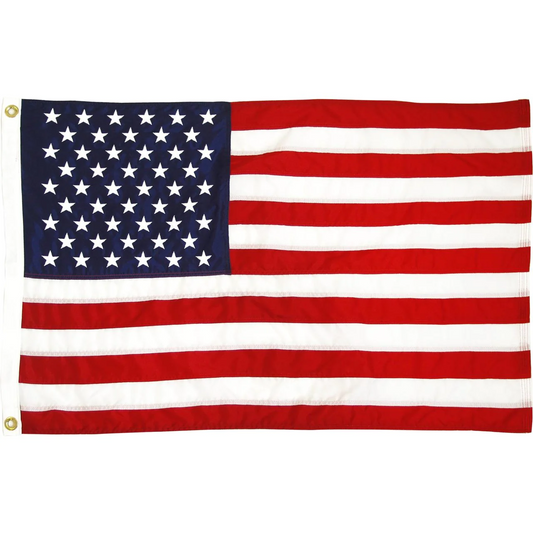
Homeowners can browse durable American flag options through the flags collection or explore specifically American-made options in the all-American flags collection.
Popular sizes for coastal properties include the 3x5 American flag, 4x6 American flag, and 5x8 American flag.
Displaying the Flag With Confidence in Coastal Climates
With the right materials, proper sizing, and regular maintenance, coastal homeowners can display the American flag proudly without constant replacement.
Understanding what makes a flag suitable for salt air and wind helps ensure your display remains vibrant, respectful, and long-lasting.