Multi-Flag Display Rules and Ideas
Displaying Multiple Flags Correctly and Respectfully
Flying more than one flag at home allows homeowners to express multiple affiliations, honor different causes, or celebrate heritage alongside national pride.
However, displaying multiple flags comes with specific etiquette rules that ensure proper respect and visual balance.
Many homeowners are unsure about correct flag positioning, pole arrangements, or which flags can be displayed together.
This guide explains the rules for multi-flag displays and offers practical ideas for creating a balanced, respectful setup.
Why Multi-Flag Display Rules Matter
Flag etiquette is not just tradition. It reflects respect for the symbols being displayed and the values they represent.
-
Honoring the flag of the United States
When the U.S. flag is displayed with other flags, it must hold the position of honor. Incorrect placement can appear disrespectful, even if unintentional.
-
Maintaining visual balance
Multiple flags should look intentional and coordinated, not cluttered or random. Proper spacing, sizing, and arrangement create a polished appearance.
-
Following flag code guidelines
The U.S. Flag Code provides clear guidance on how to display the flag of the United States alongside state, military, organizational, or international flags.
U.S. Flag Positioning in Multi-Flag Displays
The flag of the United States always takes precedence in any multi-flag arrangement on U.S. soil.
-
On separate poles of equal height
When flags are displayed on separate flagpoles of the same height, the U.S. flag should be positioned to its own right, which is the observer's left when facing the display.
-
On poles of different heights
If flagpoles are different heights, the U.S. flag must be on the tallest pole. Other flags should never be placed higher than the flag of the United States.
-
On the same pole
When multiple flags are displayed on a single pole, the U.S. flag should always be at the peak position. State or organizational flags are placed below it.
-
During parades or processions
In a parade or moving display, the U.S. flag should lead the procession or be carried to the marching right of other flags.
Common Multi-Flag Combinations for Homeowners
Residential properties often display the flag of the United States alongside other meaningful flags.
-
U.S. flag and state flag
This is one of the most common residential combinations. The U.S. flag is positioned in the place of honor, with the state flag displayed on a secondary pole or lower on the same pole. Homeowners looking to add a state flag can explore options such as this state flag.
-
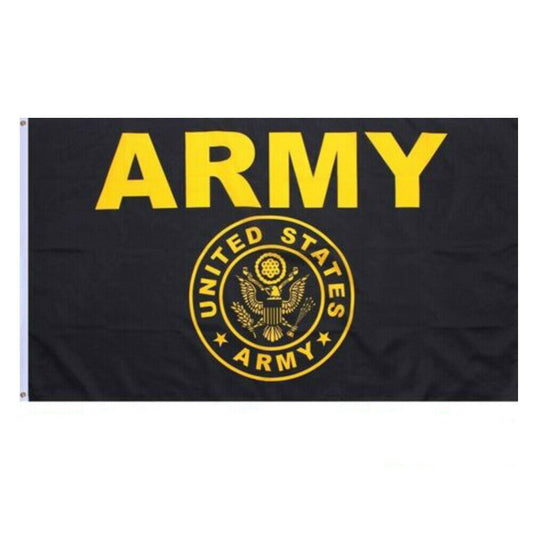
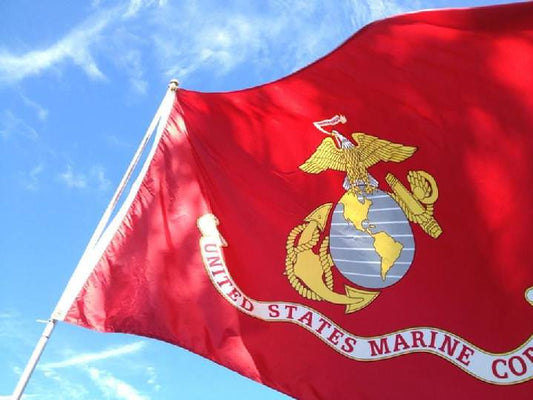
U.S. flag and military branch flag
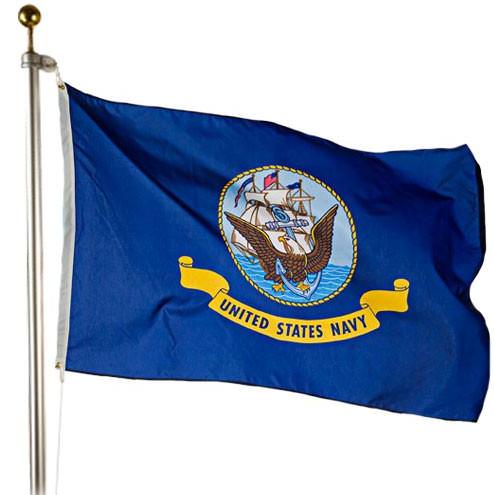
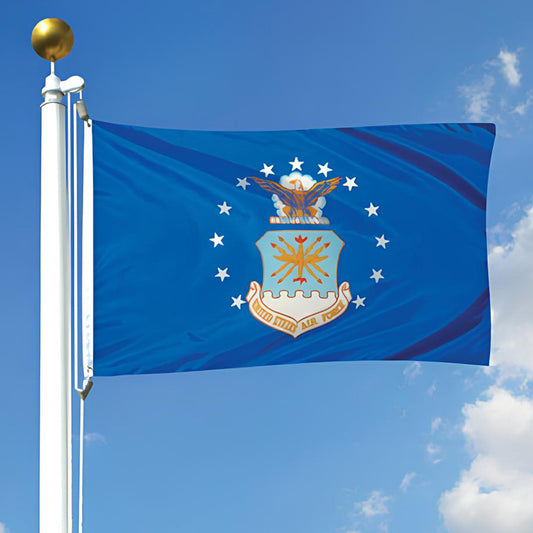
Military families often display their service branch flag alongside the flag of the United States. The U.S. flag holds the primary position, with the military flag on a second pole or below. Dedicated options are available in the military flags collection.
-
U.S. flag and organizational or cause flag
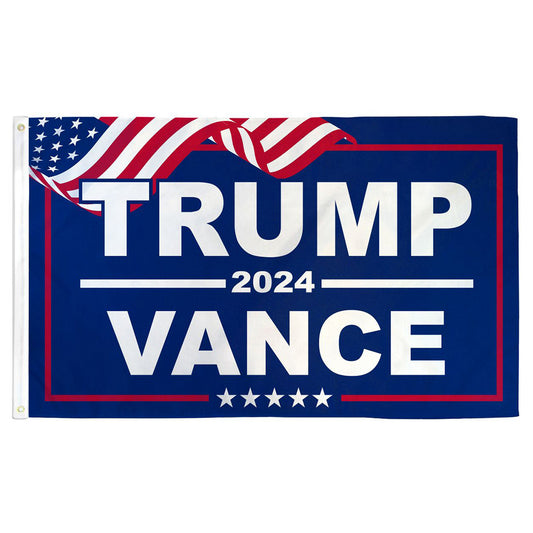
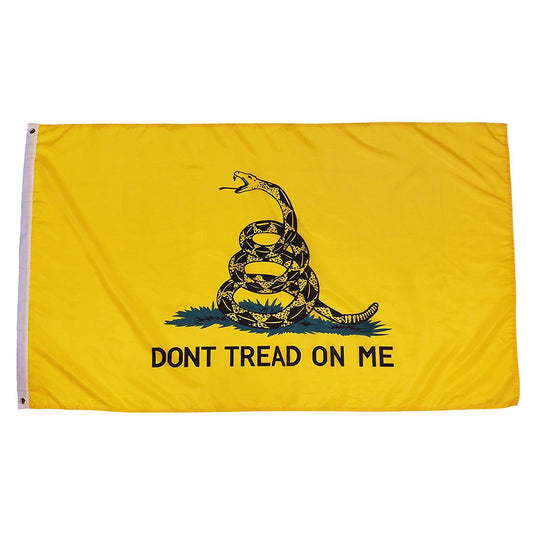
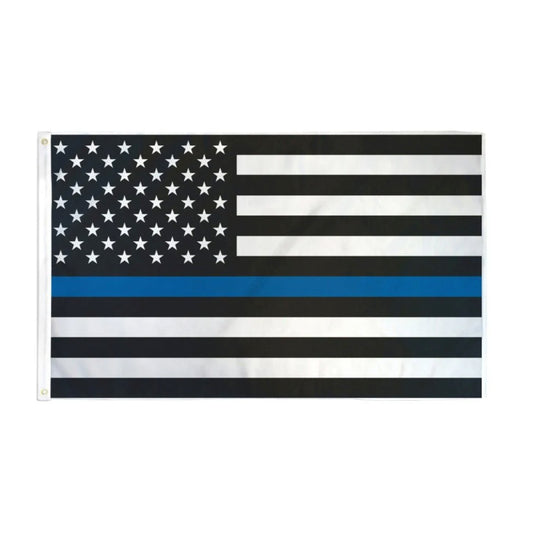
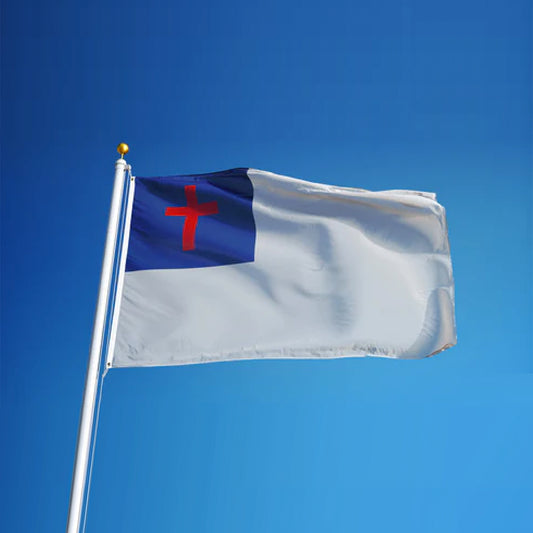
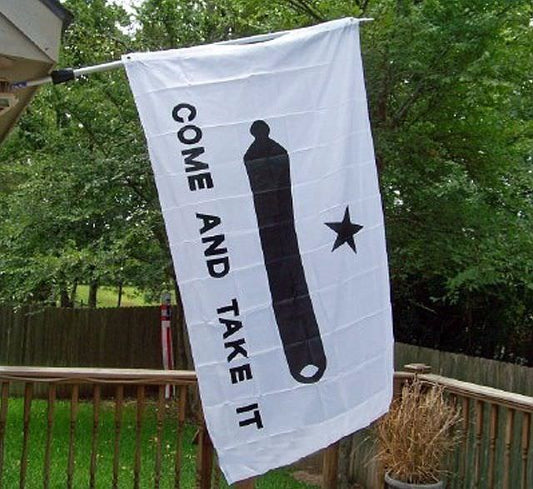
Flags representing organizations, causes, or affiliations can be displayed with the flag of the United States, as long as proper positioning is maintained.
-
U.S. flag and POW/MIA flag
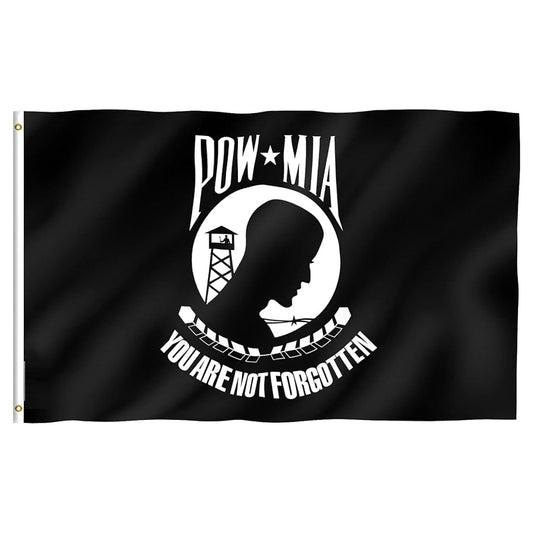
The POW/MIA flag is commonly flown below the U.S. flag on the same pole or on a nearby secondary pole. A display option such as this POW/MIA flag stand helps maintain proper presentation.
Single Pole vs Multiple Pole Displays
Homeowners can choose between single-pole or multiple-pole setups depending on space and preference.
-
Single pole with multiple flags
A single flagpole can display more than one flag vertically. The U.S. flag must be at the top, with other flags arranged below in order of precedence. This setup works well for properties with limited yard space.
-
Two-pole displays
Two separate flagpoles allow side-by-side flag displays. The U.S. flag is positioned to its own right, and both poles should be the same height or the U.S. flag pole should be taller.
-
Three or more poles
For homeowners displaying multiple flags, additional poles can be arranged symmetrically. The U.S. flag remains in the center or rightmost position of honor.
Flag Sizing and Proportions
Flags in a multi-flag display should be sized appropriately to maintain balance.
-
Matching flag sizes
When displaying flags on separate poles of equal height, the flags should generally be the same size. This creates visual symmetry.
-
Smaller flags on the same pole
If displaying multiple flags on one pole, the U.S. flag should be the largest. Secondary flags can be the same size or slightly smaller.
-
Avoid oversized secondary flags
Secondary flags should never appear larger or more prominent than the U.S. flag in the same display.
Spacing and Layout Considerations
Proper spacing prevents a cluttered appearance and ensures each flag is visible.
-
Allow enough space between poles
Flags on separate poles should have adequate spacing so they do not tangle when the wind shifts. A minimum of three to five feet between poles is recommended.
-
Align poles evenly
Multiple flagpoles should be aligned in a straight line or symmetrical pattern. Uneven placement can look unintentional.
-
Consider sightlines from the street
Position flags so they are visible from the front of the property. Avoid placing secondary flags where they are blocked by landscaping or structures.
Flags That Should Not Be Displayed Together
Certain flag combinations require extra consideration or should be avoided.
-
Foreign national flags
Displaying a foreign national flag alongside the U.S. flag on private property is generally acceptable, but both flags should be flown at the same height on separate poles. The U.S. flag should be to its own right.
-
Conflicting messages
Flags representing opposing viewpoints or causes may create confusion or conflict. Homeowners should consider whether the combination sends a clear, respectful message.
-
Worn or damaged flags
Never display a damaged or faded flag alongside a pristine one. All flags in a display should be in good condition.
Lighting and Nighttime Display
If you display multiple flags at night, all flags must be properly illuminated.
-
Individual lighting for each flag
Each flag in a multi-flag display should have its own light source. This ensures all flags remain visible and respectfully displayed after dark. A solution like this solar light stand allows for simple, wire-free lighting.
-
Consistent lighting style
Use similar lighting across all flags to maintain visual cohesion. Mixing different lighting types or brightness levels can create an unbalanced appearance.
For seasonal and holiday considerations, homeowners may find guidance in this flagpole lighting guide for every season and this article on holiday flag lighting.
Maintenance and Care for Multiple Flags
Displaying multiple flags requires more upkeep than a single-flag setup.
-
Inspect all flags regularly
Check each flag for wear, fading, or damage. Replace any flag that no longer looks presentable.
-
Rotate flags seasonally
Some homeowners rotate secondary flags based on holidays, seasons, or events. This keeps the display fresh while reducing wear on any single flag.
-
Clean and store flags properly
When not in use, flags should be cleaned and stored in a dry location to prevent mildew and fabric breakdown. Replacement and additional options can be found in the flags collection.
Creating a Thoughtful Multi-Flag Display
A well-planned multi-flag display reflects pride, respect, and attention to detail.
Taking time to understand flag etiquette, plan spacing and layout, and maintain each flag ensures your display looks intentional and dignified.
Whether flying two flags or several, following proper guidelines makes your display a point of pride rather than confusion.