Seasonal Flag Display Changes
Rotating Flags Throughout the Year While Maintaining Proper Display
Flying the American flag year-round is a common practice, but many homeowners also enjoy rotating seasonal or commemorative flags to reflect holidays, events, or changing seasons.
Seasonal flag displays add variety and personality to your property while maintaining respect for flag etiquette.
However, rotating flags requires understanding proper display rules, knowing when and how to switch flags, and ensuring each flag is displayed correctly.
This guide explains how to rotate flags seasonally while following proper guidelines and keeping your display looking fresh and respectful.
Why Rotate Flags Seasonally
Seasonal flag rotation serves multiple purposes beyond visual variety.
• Reducing wear on individual flags
Rotating between multiple flags spreads out UV exposure and wind wear. No single flag bears the constant stress of year-round display.
• Celebrating holidays and events
Seasonal flags allow homeowners to honor specific holidays, military observances, or community events without permanently replacing the American flag.
• Maintaining visual interest
A well-planned rotation keeps your flag display engaging throughout the year and reflects the changing seasons.
Understanding Flag Hierarchy and Display Rules
When rotating flags, proper etiquette must always be followed.
• The American flag takes precedence
The U.S. flag should always be in the position of honor when displayed with other flags. It can be flown alone or alongside secondary flags, but never replaced entirely by decorative or seasonal flags.
For detailed guidance on displaying multiple flags correctly, homeowners can reference this guide on multi-flag display rules.
• Seasonal flags as secondary displays
Holiday or seasonal flags should be displayed on a separate pole or below the American flag on the same pole. They do not replace the U.S. flag.
• Single-pole displays
If you have only one flagpole, you can alternate the American flag with other flags, but the U.S. flag should be the primary display most of the year.
Common Seasonal Flag Rotation Schedule
A typical seasonal rotation balances patriotic holidays, seasonal themes, and year-round American flag display.
• Winter (December - February)
Display the American flag throughout winter. During the holiday season, some homeowners add a seasonal flag on a secondary pole or rotate to a winter-themed flag after New Year's.
For tips on maintaining your flag through cold weather, this article on how to keep your flag flying during winter provides helpful guidance.
• Spring (March - May)
Spring is a good time to return to full-time American flag display. Memorial Day at the end of May is a key flag holiday and should feature the U.S. flag prominently.
• Summer (June - August)
Summer includes Independence Day, the most important flag holiday of the year. The American flag should fly throughout this season. Some homeowners add patriotic bunting or decorations without changing the flag itself.
• Fall (September - November)
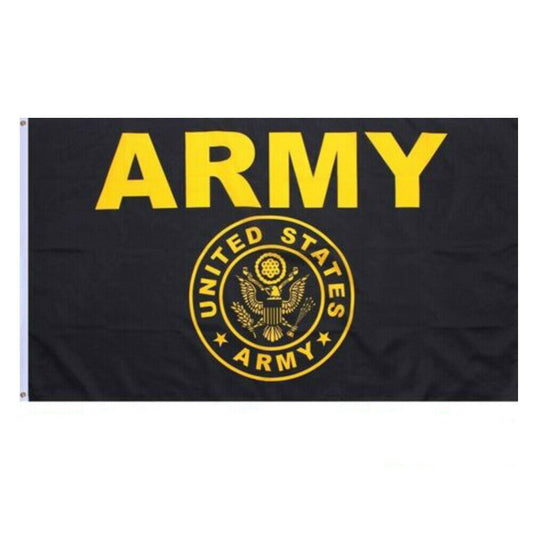
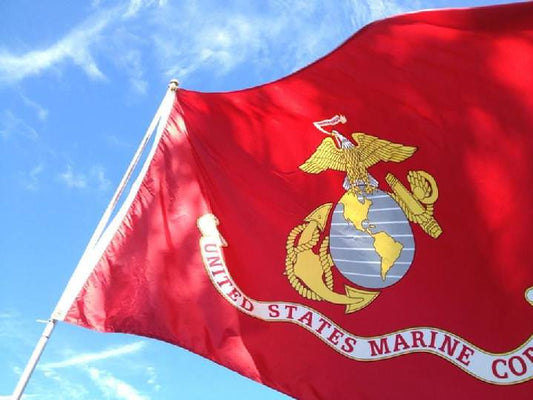
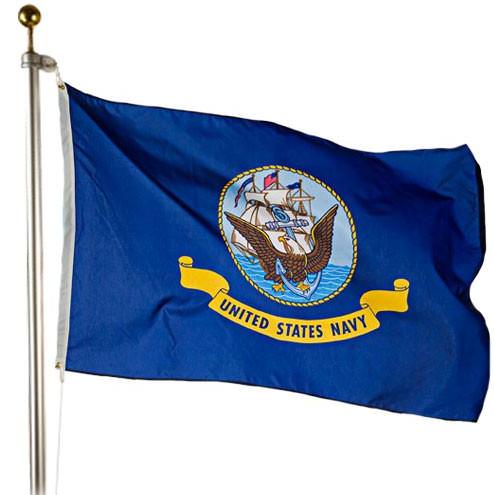
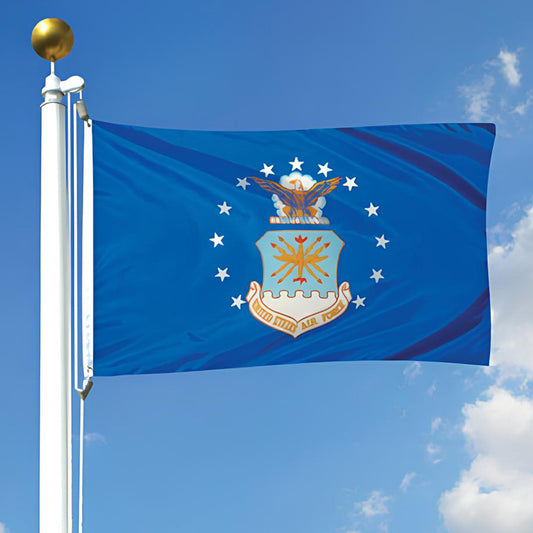
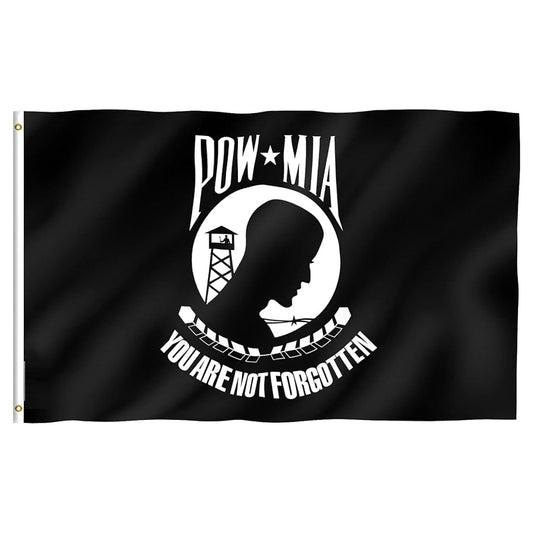
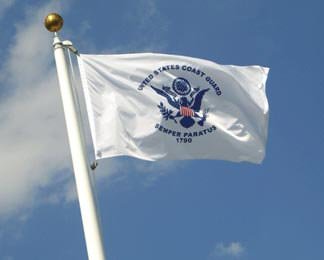
Fall includes Veterans Day and other military observances. Many homeowners display military branch flags or POW/MIA flags alongside the American flag during this period.
Military flags can be found in the military flags collection, including the POW/MIA flag.
Flags for Specific Holidays and Observances
Certain dates call for specific flag displays or flag positioning.
• Memorial Day (last Monday in May)
The U.S. flag is flown at half-staff until noon, then raised to full staff for the remainder of the day. This is one of the most important flag observances of the year.
• Independence Day (July 4)
The American flag should be prominently displayed. This is the ideal time for full-day flag display with proper lighting if flown at night.
• Veterans Day (November 11)
Display the American flag alongside military branch flags to honor veterans. The flag is flown at full staff all day.
• Flag Day (June 14)
A day dedicated to honoring the American flag. Many communities hold flag ceremonies and parades.
• Patriot Day (September 11)
The flag is flown at half-staff in remembrance of the September 11 attacks.
For broader context on residential flag etiquette, homeowners can review this guide on flagpole etiquette for residential neighborhoods.
How to Safely Change Flags
Switching flags requires care to avoid damage to the flag or hardware.
• Lower the flag properly
Always lower the current flag using the halyard. Never allow the flag to touch the ground during removal.
• Inspect hardware before attaching a new flag
Check clips, grommets, and the halyard for wear or damage. Replace any worn components before raising the new flag.
• Attach the new flag securely
Ensure clips are fastened tightly to grommets. A loose attachment can cause the flag to detach or tear in the wind.
• Raise the new flag briskly
Flags should be raised quickly and lowered ceremoniously. Avoid letting the flag hang limply during the process.
Storing Flags Between Rotations
Proper storage extends the life of seasonal flags and keeps them ready for the next display.
• Clean flags before storage
Rinse flags with water to remove dirt and debris. Allow them to dry completely before folding and storing.
• Fold flags properly
The American flag should be folded in the traditional triangle. Other flags can be folded neatly to prevent creasing.
• Store in a cool, dry location
Avoid damp basements or hot attics. A climate-controlled closet or storage bin works best.
For comprehensive storage guidance, this article on flag storage solutions for off-season protection covers best practices.
• Use protective bags or containers
Storing flags in breathable fabric bags or plastic bins protects them from dust, moisture, and pests.

Rotating Flags on Multi-Pole Displays
Homeowners with multiple flagpoles have more flexibility for seasonal displays.
• Keep the American flag as the primary display
The U.S. flag should remain on the tallest pole or in the position of honor. Secondary poles can rotate seasonal or commemorative flags.
• Coordinate flag sizes
All flags in a multi-pole display should be similar in size to maintain visual balance.
• Avoid cluttered displays
Limit the number of flags displayed at once. Too many flags can look disorganized and reduce the impact of each individual flag.

Maintaining Flags During Seasonal Changes
Weather conditions vary by season, and flag care should adjust accordingly.
• Inspect flags after storms
High winds, rain, or snow can damage flags. Check for tears, fraying, or detached grommets after severe weather.
• Adjust flag size for winter conditions
Smaller flags handle winter wind and ice better than large flags. Consider switching to a smaller American flag during the harshest months.
Popular flag sizes for seasonal rotation include the 3x5 American flag and larger options available through the flags collection.
• Remove flags during extreme weather
Hurricanes, ice storms, or severe wind events can destroy flags. Temporarily removing the flag prevents damage and shows proper care.
Balancing Tradition and Personal Expression
Seasonal flag rotation allows homeowners to express pride, commemorate events, and celebrate traditions while respecting the American flag.
The key is maintaining proper display etiquette, ensuring the U.S. flag always holds the place of honor, and rotating flags thoughtfully rather than haphazardly.
Homeowners looking for state flags or commemorative options can explore the state flag collection or browse the full selection in the all-American flags collection.
With a planned rotation schedule and proper care, seasonal flag displays remain respectful, engaging, and meaningful throughout the entire year.