What New Homeowners Actually Buy First and What They Wish They'd Done Sooner
The first month after closing is a spending blur. The couch. The curtains. The pressure washer that seemed essential at the hardware store on a Saturday.
New homeowners spend fast and frequently in the wrong order, chasing the feeling of the house being "done" before they have any clear sense of what the property actually needs.
The regrets come later. And they tend to cluster around the same things.
In 2024, 54% of U.S. homeowners completed renovation projects, with outdoor spaces ranking among the most common improvements. New homeowners typically overspend on interior furnishings in the first 90 days and delay outdoor investments — landscaping, lighting, and permanent property features — that deliver the most long-term satisfaction and curb appeal. Getting outdoor priorities right early saves money and avoids the cost of doing it twice.
What New Homeowners Actually Spend Money on First?
The pattern is well-documented. According to Floor Trends Magazine's 2024 renovation data, the median homeowner spent $20,000 on projects that year, with the bulk going toward interior improvements — small kitchen renovations averaging $35,000 and bathroom remodels averaging $17,000. These are the categories that feel urgent because they are daily-use spaces, visible to every guest, and easy to visualize improved.
Outdoor spending gets deferred. The yard "can wait." The front of the house "is fine for now." The permanent features that define how a property looks from the street — and how a homeowner feels about it every time they pull into the driveway — get pushed to year two, then year three, then indefinitely.
-
The interior-first trap
There is nothing wrong with upgrading a kitchen. The trap is spending at interior prices while the outdoor space quietly sends a different message to the neighborhood. Curb appeal research consistently shows that exterior presentation drives a disproportionate share of perceived property value, yet it receives a fraction of the budget attention. A homeowner who spent $35,000 on a kitchen renovation and $0 on the front yard has made a sequencing mistake that compounds over time.
-
What the data says about outdoor investment
The 2024 renovation data from Floor Trends Magazine shows that over half of renovating homeowners enhanced outdoor spaces, with landscaping, lighting systems, and security improvements representing the most common outdoor projects. These are not vanity purchases. The U.S. outdoor living market is growing at 5.3% annually according to Grand View Research — a rate that reflects genuine homeowner demand for functional, permanent outdoor improvements that hold value across market cycles.
The Outdoor Purchases New Homeowners Wish They'd Made Sooner
These are not speculative. They emerge consistently from the gap between what new homeowners buy in the first 90 days and what they identify as their highest-satisfaction purchases looking back.
-
Permanent lighting
Exterior lighting is the most consistently underestimated outdoor investment. Homeowners who install quality path lighting, entry lighting, and flagpole illumination in year one uniformly report it as money well spent. Those who skip it report the same outdoor spaces feeling incomplete well into ownership. Solar-powered options have eliminated the installation complexity that previously made exterior lighting a contractor job — the solar flagpole light is one example of a set-and-forget solution that pays off from the first evening it runs.
-
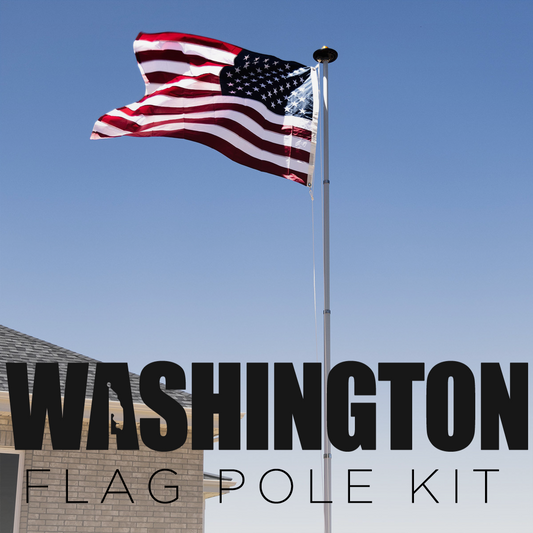
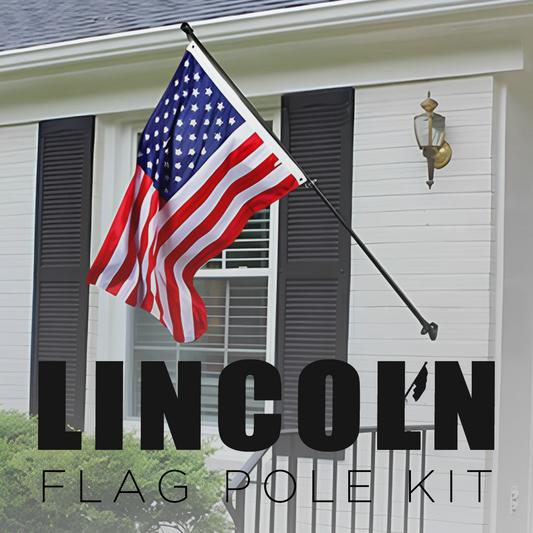
A flagpole
This one surprises new homeowners until they think about it. A flagpole is one of the few permanent yard features that requires no maintenance schedule, no seasonal replanting, and no contractor return visits. It goes up once and stays.

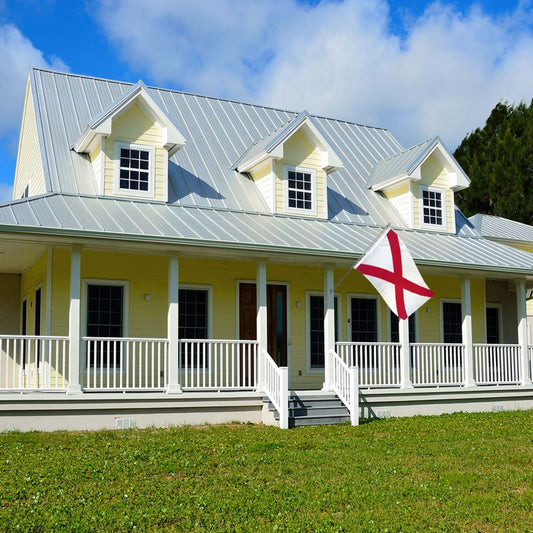
For patriotic homeowners and veterans especially, the flagpole becomes the defining visual statement of the property — and consistently ranks as the outdoor feature that homeowners wish they had installed in week one rather than year three.
The residential flagpole market itself reflects this trajectory: valued at $1.9 billion in 2023 and projected to reach $2.7 billion by 2031, according to Verified Market Research — driven precisely by the growing number of homeowners adding this feature to established properties rather than new builds.
-
Ground-level outdoor infrastructure
Ground sleeves, flagpole bases, and permanent mounting hardware fall into a category most new homeowners ignore entirely — until they want to install something and realize the ground prep is half the job. Understanding what a flagpole ground sleeve does before installation saves significant rework cost. The homeowners who get outdoor infrastructure right early spend less overall because they are not paying twice to fix what a first-time shortcut left undone.
Why the Yard Gets Left Behind and the Cost of That Decision?
The deferred-yard problem has a clear cause: interior purchases feel immediately gratifying, and outdoor improvements feel gradual. You sit on the new couch the day it arrives. The flagpole in the yard earns its place every morning for the next 20 years.
That time-horizon mismatch is exactly what experienced homeowners flag when they describe what they would do differently. They would move the permanent outdoor features earlier — before the budget pressure of interior renovations compressed the discretionary spend that outdoor improvements actually require.
Baby Boomers and Generation X, who collectively account for 88% of all U.S. renovation activity according to Floor Trends Magazine 2024 data, skew heavily toward outdoor living investment as ownership matures. The pattern is clear: earlier investment in permanent outdoor features, including flagpoles, lighting, and landscape infrastructure, produces higher satisfaction scores across the ownership timeline.
The first-time homeowner who sets up the yard properly in year one is not ahead of schedule. They are simply learning from everyone who waited.
Browse the full flagpole kit range and see what a proper permanent outdoor setup looks like — before the interior renovation list pushes it off the calendar again.
Country of origin is identified on each product page, including whether items are Made in USA, Imported, or Made in USA with imported materials.