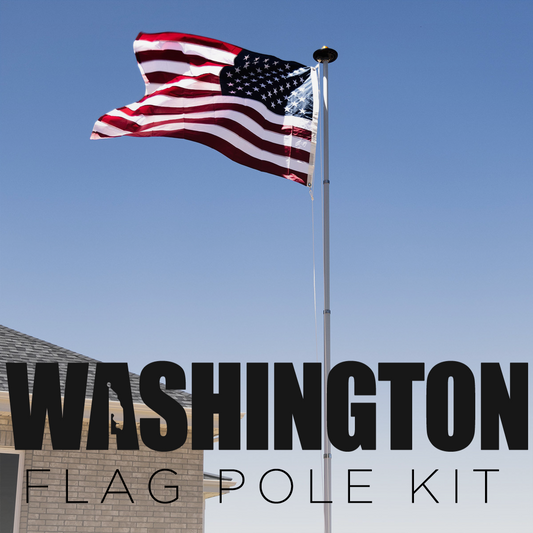
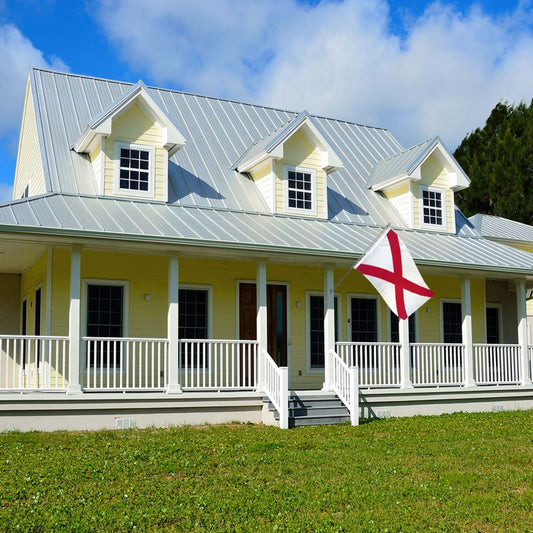
Where Should You Install a Flagpole in Your Yard?
You have picked out your flagpole. You know you want it in the front yard. Then you walk outside, look around, and realize you have no idea where exactly it should go.
The wrong placement makes even a quality flagpole look out of place. The right placement turns it into the most intentional feature on your property.
Flagpole location affects visibility, flag performance in wind, clearance from utilities and structures, and whether the overall display looks deliberate or just dropped somewhere convenient. Getting it right from the start saves you from relocating it later, which means redoing the foundation work entirely.
This guide covers every factor that determines the best spot for a residential flagpole installation.
The Four Rules That Govern Every Good Placement
Every yard is different, but the principles for flagpole placement are consistent. Work through each of these before you dig a single inch.
-
Clearance from overhead utilities
Your pole must maintain safe distance from power lines, cable lines, and telephone wires. A standard residential flagpole stands 20 feet tall, many municipalities recommend at least 10 feet of horizontal separation. Call 811 before any digging to have underground utilities marked. Skipping this step is how flagpole installations turn into expensive repairs.
-
Distance from structures and property lines
Local zoning codes often require a flagpole to be set back at least five feet from the front lot line. Many also require clearance from the home itself, fences, and neighboring structures. Check your local municipal code before committing to a location. If your area has an HOA, review their specific guidelines as well. The homeowners association guide to flag display rights covers what HOAs can and cannot restrict so you know where you stand before installation.
- Soil conditions at the chosen spot
Rocky soil, compacted clay, or areas with heavy root systems from nearby trees can all complicate the digging process and compromise foundation stability. For in-ground installations, you need a clean dig to the appropriate depth.
The flagpole installation depth guide covers exact depth requirements based on pole height and soil type.
-
Wind exposure at that location
A flagpole performs best with full, unobstructed wind exposure. Placing a pole too close to a structure, a dense hedge, or a tree line blocks airflow and causes the flag to droop or wrap around the pole. You want the flag flying freely and visibly, not tangled in branches or pressed flat against a wall.
Front Yard vs. Side Yard vs. Corner Lot: Which Works Best
Many homeowners default to the front yard, and for good reason. It maximizes visibility, creates the strongest curb appeal impact, and positions the flag where the most people see it. The front yard centerline or slightly offset toward the driveway side typically gives the best visual balance for standard residential lots.

Side yards work for properties with strong wind exposure on that side of the home, or when the front yard has utility conflicts that cannot be worked around. The display is less prominent from the street but can still look sharp when properly positioned.
Corner lots are the best situation a flagpole owner can have. Full visibility from two street-facing directions, typically excellent wind exposure, and strong visual impact from a wider angle. If you have a corner lot, the inside corner where the two street-facing sides meet is often an ideal placement point.
-
Front yard positioning tips
Place the pole far enough from the home that the flag clears the roofline when fully extended in wind. For a 20-foot residential pole, positioning the base 12 to 15 feet from the front of the home usually provides the right flag-to-structure clearance. The flagpole placement in your front yard landscaping guide goes deeper on how placement interacts with landscaping layout and visual proportion.
-
When a wall mount makes more sense
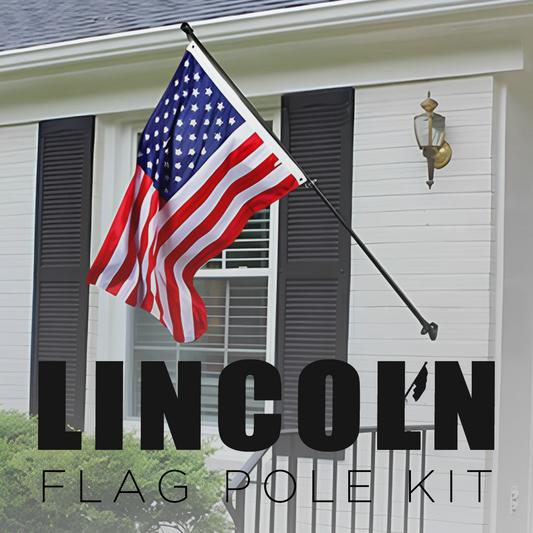
If your front yard is small, paved, or subject to HOA restrictions on in-ground installations, a wall-mounted pole on the porch post or entry column is a strong alternative. It keeps the display prominent without requiring ground preparation.
How Placement Affects Flag Performance and Longevity
Where you plant the pole directly affects how well your flag flies and how long it lasts. A flag flown in a sheltered, low-wind spot snaps and pops constantly because it catches irregular gusts off the structure. That constant motion wears the fabric faster than steady open-air flight.

Conversely, a flag placed in a fully exposed, high-wind corridor without the right pole rating can stress the hardware and shorten the life of both the flag and the pole.
The ideal placement gives you consistent airflow without exposure to wind channel effects created by building corners or fence gaps. Steady, moderate airflow is better for flag longevity than intermittent, turbulent gusts.
Browse the full flagpoles collection at Stand Flagpoles to find the right pole height and style for your chosen location. Getting placement right before you buy means choosing a pole that is correctly sized for the spot, not one you have to work around after the fact.
Your flag deserves a spot that lets it fly properly, look sharp from the street, and hold up through every season. Take the time to choose that spot before you dig, and the rest of the installation takes care of itself.
Product origin varies by item. Please contact us for specific origin information.
This article is created by Stand Flagpoles and may include products we sell. If you purchase through links on this page, we may earn revenue.
Related Posts: